

Beginners guide: How to compost

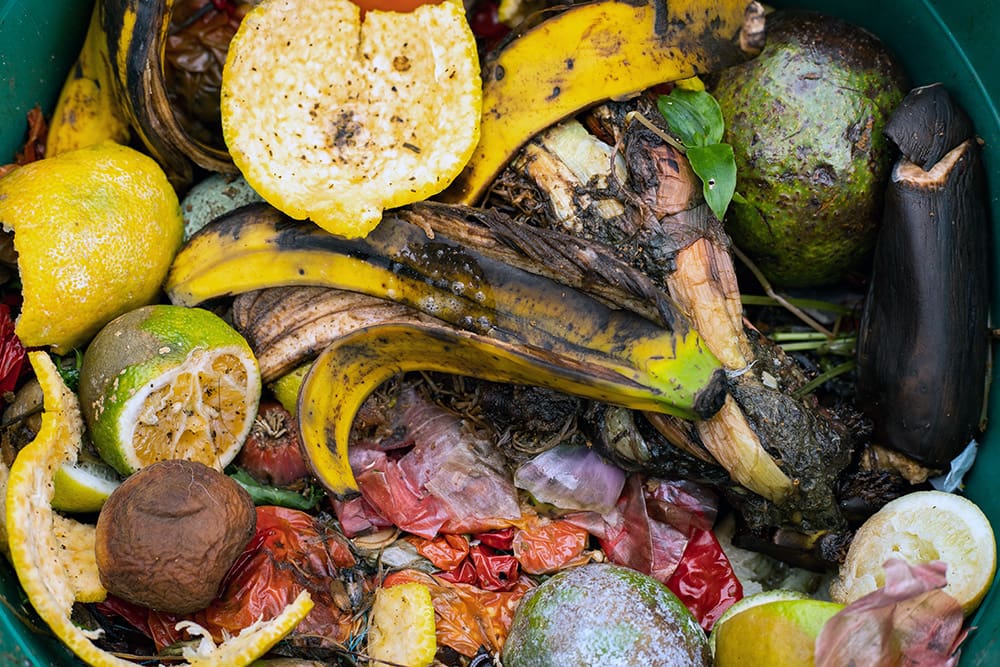
Sinclair’s T55 labels are both home and industrially compostable. 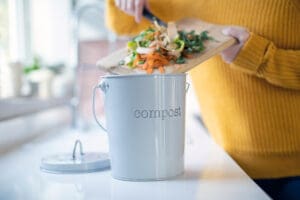 Composting is a natural process that turns garden and food waste into nutrient-rich soil improver or mulch. It’s a simple and effective to add valuable organic matter that improves the soil’s structure, aeration and biodiversity.
Why compost?
- Composting transforms garden and kitchen waste into a free, sustainable soil
- It enhances soil structure, moisture retention, drainage, and biodiversity
- Home-made compost reduces environmental impact compared to council waste collection
- Helps reduce food waste going to landfill
What can be composted?
 What can be composted does depend on your region and local guidelines so it is important to check first. Typically the follow can be composted.
- Fruit and vegetable scraps
- Sinclair certified home compostable labels
- Coffee grounds and tea leaves
- Eggshells
- Grass clippings and leaves
- Paper towels and napkins (unbleached)
- Cardboard and paper (shredded)
What should not be composted?
These items should not be composted because they attract pests, spread disease, contain harmful substances, or do not break down naturally.
- Meat, dairy, and oily foods
- Pet waste
- Diseased plants
- Plastic, glass, or metal
- Glossy or coated paper
How to compost at home
You can start a new compost bin at any time of year, but it’s useful to begin when your garden is producing a lot of suitable material, usually from spring onwards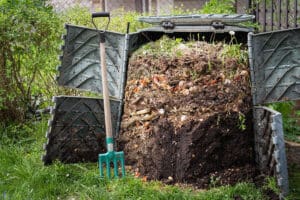
- Choose a compost bin or build one from recycled materials. Compost bins can be small or large, to suit your space and amount of waste
- The best location for a compost bin is a sheltered spot in partial or full shade, to avoid extremes of temperature and moisture. The micro-organisms (bacteria and fungi) that convert the waste into compost work best in constant conditions.
- Add a mix of green (wet and nitrogen rich such as grass clippings, fruit and veg peelings or leafy weeds) and brown (dry and carbon rich, such as woody pruning) materials. An ideal mix would be 25-50% green and 50-75% brown as this providers the best balance for the bacteria and micro-organisms that produce the compost.
- Turn the compost or fork through/Stir the contents regularly (every couple of months) to add air and speed up decomposition.
- Keep it moist—like a wrung-out sponge. Add water if necessary.
- Wait for it to turn dark, crumbly, and earthy-smelling. It’s unlikely that all the material will turn out like this, but any uncomposted matter can be added back into the next batch of composting material.
The rate at which home composting occurs will vary due to compost position, temperature, composition of the matter added and moisture content. Home compost can take between six months and two years to reach maturity.
Source: www.rhs.org.uk