

PLU Codes: What those numbers on fruit stickers really mean

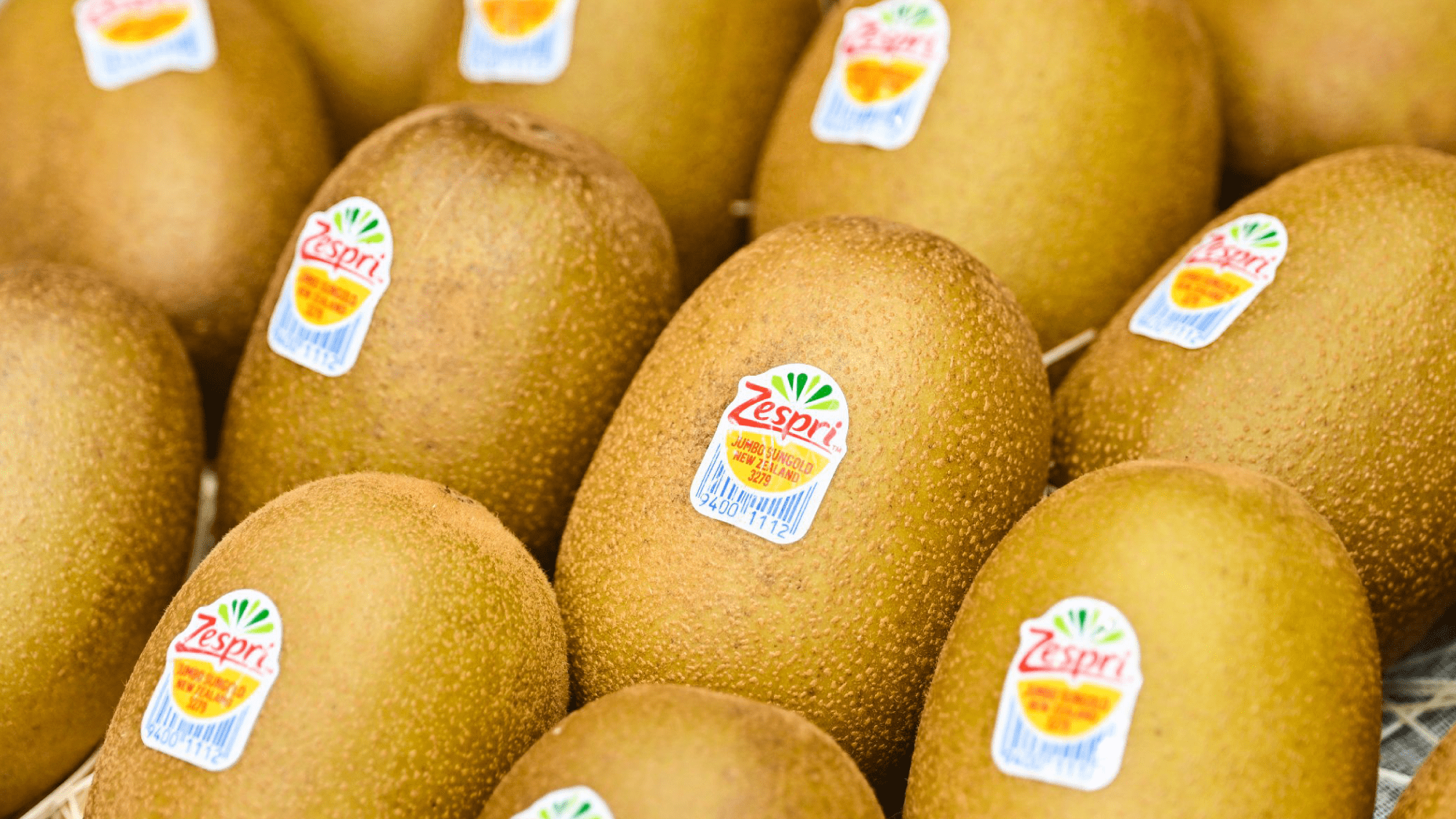
You pick up a perfect apple, a bunch of bananas, or a ripe avocado and notice the small sticker attached to its surface. While you might see a brand logo, you will almost certainly see a four or five-digit number. This is a Price Look-Up (PLU) code, and it’s more than just a random sequence of numbers. It’s the key to a global system that ensures accuracy, efficiency, and clarity from the farm to your kitchen. These codes are a fundamental part of the modern produce industry, helping retailers manage inventory and pricing with precision. For growers and packers, they represent a commitment to a standardized system that streamlines the supply chain.
This guide will explain the meaning behind those numbers on fruit stickers and explore why they are so important for the entire produce ecosystem.
A brief history of the PLU system
The journey of the PLU code began in 1990. The International Fresh Produce Association (IPFA), a key trade group in the industry, introduced the system to solve a growing challenge for retailers. As grocery stores began offering a wider variety of fresh fruits and vegetables—including new organic options— cashiers found it increasingly difficult to distinguish between similar-looking items. For example, was an apple a conventional Gala, a pricier Honeycrisp, or an organic Fuji? Mistakes at the checkout led to incorrect pricing and skewed inventory data.
The PLU system was created to bring uniformity and efficiency to this process. By assigning a unique code to each type of produce labeling, retailers could ensure every item was identified correctly, priced accurately, and tracked effectively.
Breaking down the numbers: What PLU codes mean
PLU codes are managed by the International Federation for Produce Standards (IFPS). While thousands of codes exist, they follow a simple and logical structure that provides essential information at a glance. The numbers on fruit stickers have a clear meaning, primarily indicating how the produce was grown
4-Digit codes: conventionally grown produce
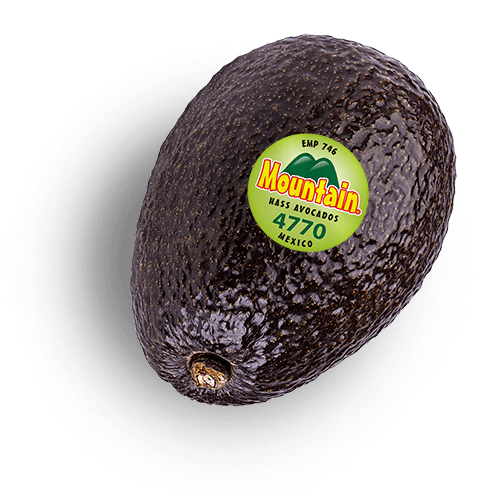
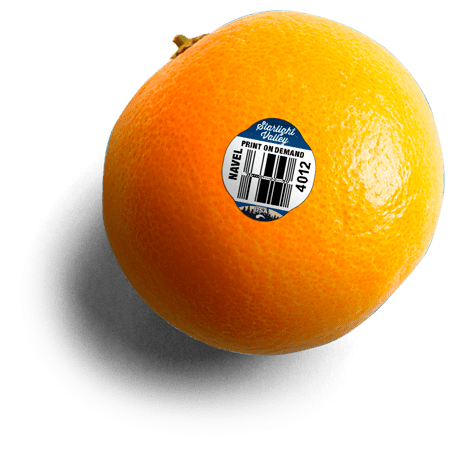
The most common PLU codes you will encounter are four digits long. These codes, which fall in the 3000 and 4000 series, signify that the produce was grown using conventional farming methods. This includes the use of pesticides and synthetic fertilizers to optimize yield and protect against pests.
Common examples:
- 4011: A standard banana
- 4131: A Fuji apple
- 4062: A small lemon
A PLU code starting with 3 or 4 simply designates a conventionally grown item. It does not provide any other specific information about the product’s origin or type beyond what the code itself represents.
5-Digit codes starting with 9: Organic produce
If you see a five-digit PLU code that begins with the number “9,” it tells you the item is organic. The “9” is a prefix added to the standard four-digit code for the conventionally grown version of that same product. This allows retailers and consumers to easily identify produce grown according to certified organic standards, which prohibit the use of most synthetic pesticides and fertilizers.
Common examples:
- 94011: An organic banana
- 94131: An organic Fuji apple
- 94088: An organic cantaloupe
Understanding organic PLU codes allows consumers to make informed purchasing decisions that align with their dietary preferences. These organic produce labels are essential for distinguishing premium products at checkout.
Why the PLU system matters
The PLU code system is a quiet but powerful force in the global produce industry. Its benefits extend across the entire supply chain, from the growers who cultivate the food to the consumers who purchase it.
Consumer Choice: The system provides clear, at-a-glance information for shoppers. By recognizing the difference between a 4-digit and a 5-digit code starting with 9, consumers can confidently select products that meet their lifestyle and budget.
Pricing and Checkout Accuracy: For retailers, the primary function is to ensure cashiers charge the correct price for each item, eliminating guesswork and reducing errors.
Inventory Management: PLU codes allow for precise inventory tracking. Retailers can analyze sales data to understand which items are selling well, manage stock levels, and reduce waste.
Global standardization: PLU codes are used worldwide, creating a universal language for produce. This consistency simplifies international trade and ensures products are identified correctly, no matter where they are sold. Interested in finding out what a specific number means? The IFPS maintains an online PLU code lookup tool, allowing anyone to search for a code and identify the corresponding produce item
How Sinclair supports a reliable labeling system
For the PLU system to work, the labels themselves must be reliable. A sticker that falls off, smudges, or fails to adhere properly can disrupt the entire process. At Sinclair, we’ve been automating fruit and vegetable labeling since 1982, bringing over four decades of expertise to the fresh produce industry.
Our produce labeling solutions are designed to perform flawlessly from the packinghouse to the checkout counter. We understand the unique challenges of labeling fresh produce, which is why our food-safe fruit stickers are specially engineered to adhere to a wide range of surfaces—from the waxy skin of an apple to the fuzzy peel of a kiwi, and even difficult-to-label items like pears and stone fruit.
Industry-Leading technology and quality
Sinclair takes pride in product excellence. Our innovations include:
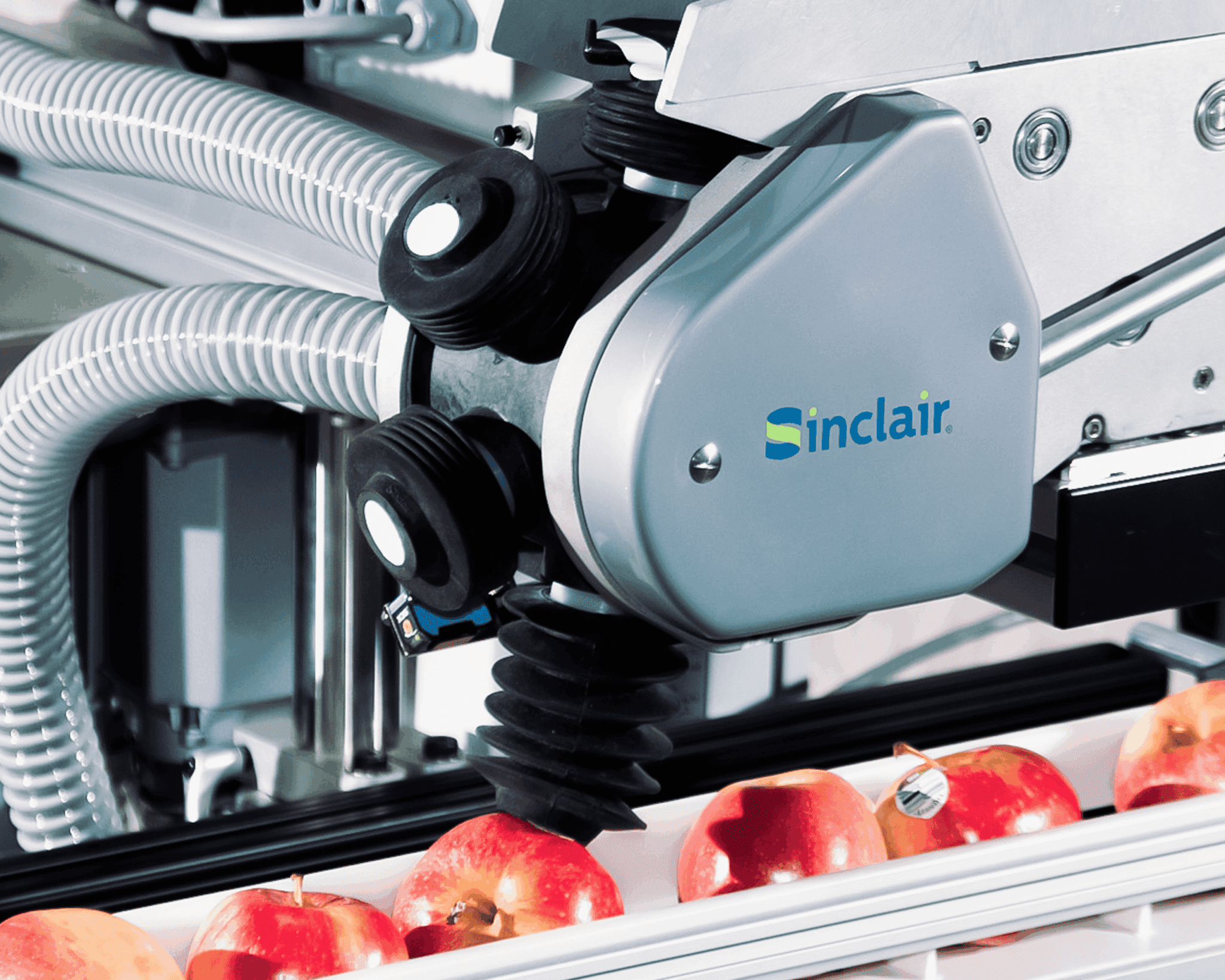
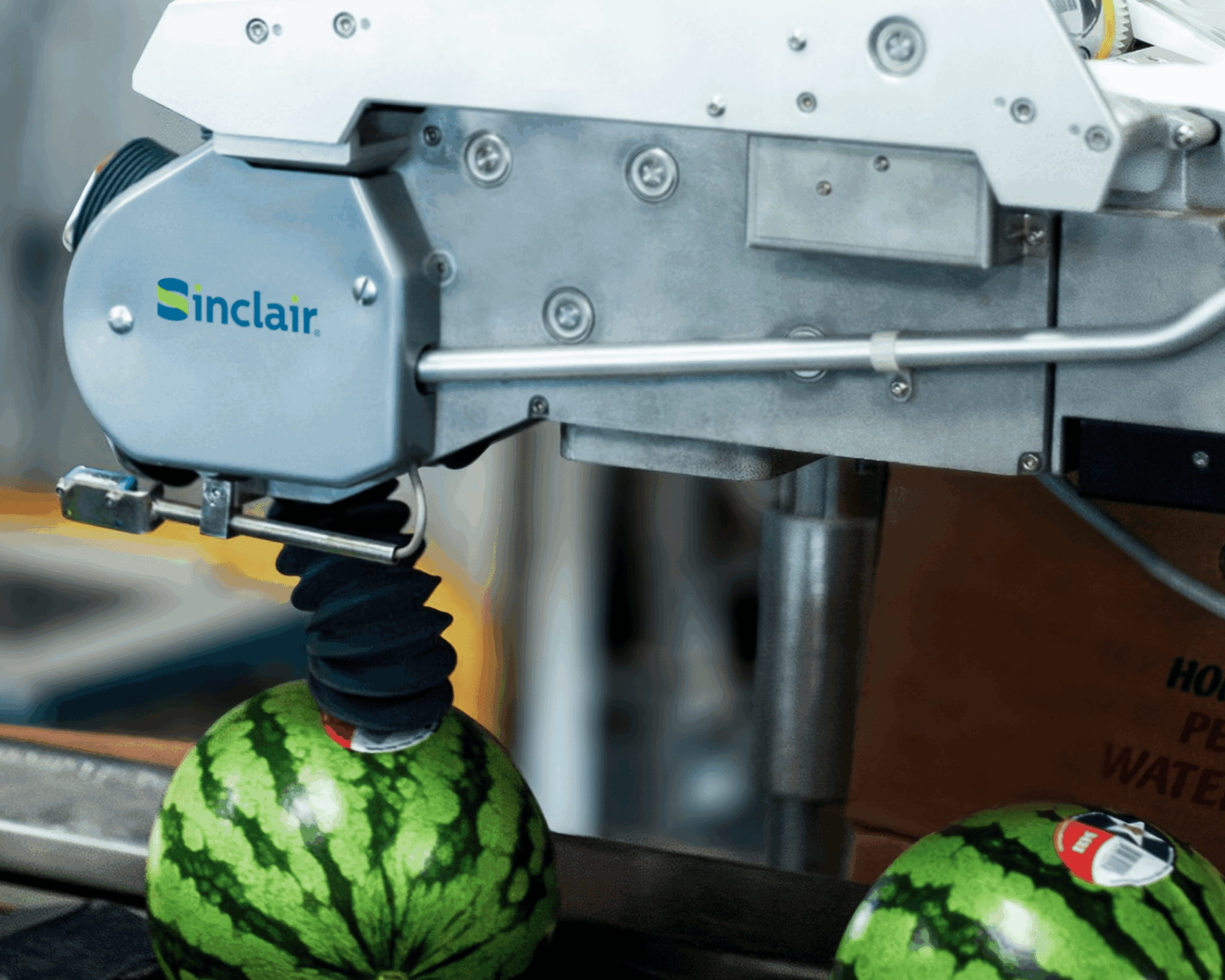
Sinclair Print on Demand® technology: Our patented print and apply labeling system allows you to print variable information—including PLU codes, lot numbers, dates, and barcodes— directly onto labels at the point of application while fruits and vegetables are conveyed at high speeds in the packinghouse.
Sinclair TabLift® feature: A unique tab design that makes labels quick and easy for consumers to remove in one piece, without leaving adhesive residue.
Food-Safe compliance: All our labels are manufactured to meet stringent regulatory requirements, complying with U.S. Food and Drug Administration (FDA) and European Union (EU) standards for direct food contact applications.
Certified home compostable labels: Our certified home compostable fruit labels are designed to meet the highest standards of food safety, composting, and functionality. Complying with the latest regulations and composting standards, our certified home compostable fruit labels are a perfect, minimized choice for companies committed to reducing the environmental impact of their packaging
Custom produce labels for every need
Whether you need standard PLU code labels for checkout efficiency or custom-designed fruit and vegetable labels that showcase your farm or brand, we provide the flexibility and quality your produce deserves. Our labels come in over 100 shapes and sizes, and if you can’t find one that’s right for you, our dedicated team can design custom fruit stickers just for your brand.
Sustainable labeling options
As pioneers of the first certified compostable fruit label, we’re committed to minimizing our environmental footprint. Our home and industrial compostable fruit labels are independently certified and designed to meet the highest standards of food safety, composting, and functionality—offering an environmentally conscious choice without compromising on performance.
Global reach, local expertise
Global reach, local expertise
With 9 label-manufacturing sites around the world and labeling systems installed in more than 45 countries,
Sinclair delivers comprehensive solutions that enable packers and shippers to showcase their brand identity while supporting the global PLU system that keeps the produce industry running efficiently.