
Why certification matters from supply-chain decisions to consumers understanding

Sustainability conversations in fresh produce have become more measured in recent years. Consumers are more aware, regulators are clearer about expectations, and retailers, growers and brand owners are all trying to avoid claims that could confuse or mislead.
One of the biggest challenges sits in the language itself. Terms like “eco‑friendly”, “environmentally friendly”, “green”, “sustainable” or “compostable” are widely used, but without context they can mean very different things to different people. What feels reasonable in a technical or B2B discussion doesn’t always translate clearly at consumer level.
This is often how greenwashing arises not through exaggeration, but through over‑simplification
From claims to instructions: helping consumers do the right thing
Consumer understanding is a growing part of the sustainability challenge. Many shoppers struggle to interpret environmental terminology, particularly when it comes to end‑of‑life disposal. A single word like “compostable” can raise practical questions: Where should it go? What type of composting? What happens if it’s disposed of incorrectly?
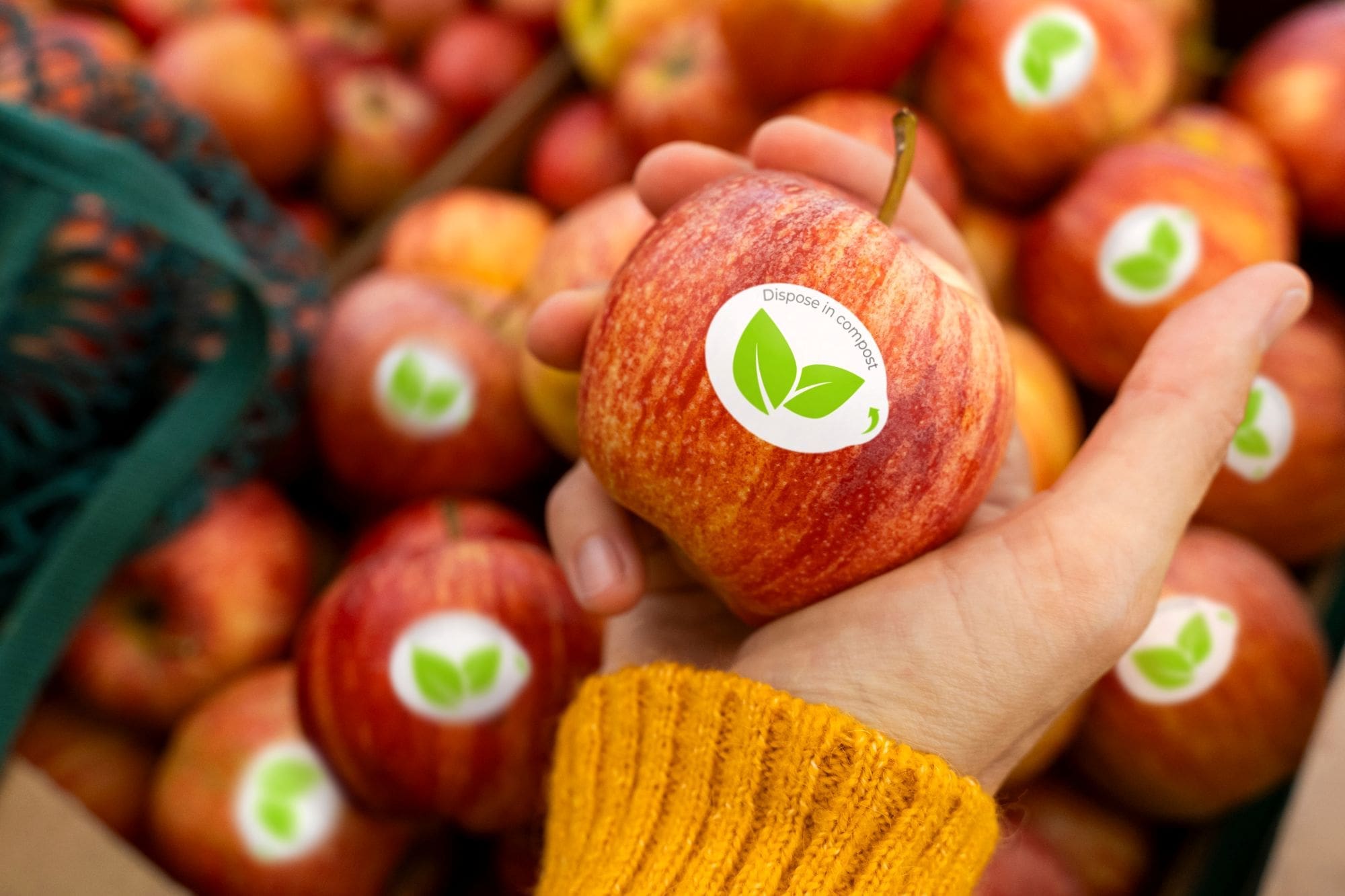
As a result, packaging communication is gradually shifting away from broad descriptors and towards clear, action‑based instructions, such as “dispose in compost”. These kinds of instructions are easier for consumers to follow and reduce the need for interpretation and ensure it is disposed of in the correct waste stream home compost or food/organic waste collection.
However, that simplicity on the packaging depends entirely on what sits behind it. You can only give a consumer a direct instruction if you are confident it is accurate and they have that waste stream in their location
Why certification underpins credible communication
At Sinclair, this link between upstream assurance and downstream communication is central to how sustainability claims are approached. Transparency is treated as an ongoing process, not a one-off statement, and that means being cautious with claims even when intentions are positive.
Independent, third‑party certification is a key part of this. All Sinclair compostable fruit labels are tested independently, and the results are then verified by recognized certification bodies including TÜV Austria, DIN CERTCO and ABA.
Certification moves sustainability conversations away from subjective wording and into defined standards, test methods and clear boundaries. It creates a shared reference point across the supply chain and makes it easier to answer practical questions with evidence rather than interpretation.
What does ‘finished-product’ certification mean?
Not all certifications are the same. In many cases, individual materials in this case the facestocks, adhesives or inks are assessed separately. While this can be useful, it doesn’t always reflect how those materials behave once combined.
Finished product certification is different. It assesses the actual product as it is supplied and used, with all components combined, rather than assuming performance based on parts in isolation. This matters because materials can interact, perform differently together, and behave in unexpected ways at end-of-life.
A simple analogy is baking a cake: eggs, flour, sugar and butter may each be good on their own, but once combined and baked, they interact and become something entirely different. In the same way, it is the performance of the finished label that truly matters. By testing and certifying the final, complete label rather than its individual ingredients, ambiguity is reduced. Claims can be tied directly to real‑world performance under recognized standards, rather than assumptions built up from component‑level data. That clarity makes it much easier to be precise about what a claim covers, the conditions it applies to, and where its limits are.
Being careful with claims, even when intentions are good
One of the clearest lessons from increasing regulatory scrutiny, including the UK Green Claims Code, is the need to distinguish carefully between what has been verified and what remains an ambition.
At Sinclair, that’s why we pursue a cautious fact-based approach to sustainability messaging to be able to substantiate claims. If a claim can’t be clearly supported by data, testing and recognized standards, it’s refined, narrowed or avoided altogether. This isn’t about being conservative for the sake of it it’s about avoiding confusion further down the line.
It is an ongoing journey as we continue to speak to our customers, retailers, the media and consumers; clarity and transparency is a must have, not could have.
The benefits
Across the supply chain, strong certification enables simpler, clearer consumer communication. It allows sustainability messaging to move from explanation to instruction, without placing the burden of interpretation on the shopper.
For retailers, it removes the risk of misleading claims and allows clear communication to consumers
For growers and packers, they have more operational clarity on operational performance
For brand owners, they can ensure long‑term credibility and trust by partnering with Sinclair
Where Sinclair fits into the picture
As sustainability expectations continue to rise, Sinclair sees transparency as an ongoing commitment rather than a final destination. By focusing on being careful with any claims made, robust and independent certification and honest communication about scope and limitations, the aim is to support clearer decisions at every stage from procurement and packaging design through to consumer disposal.
In a space where education, scrutiny and trust increasingly overlap, getting the foundations right behind the scenes is what ultimately makes sustainability messages easier to understand and easier to act on.