
A Shopper’s Guide: How to read fresh produce labels

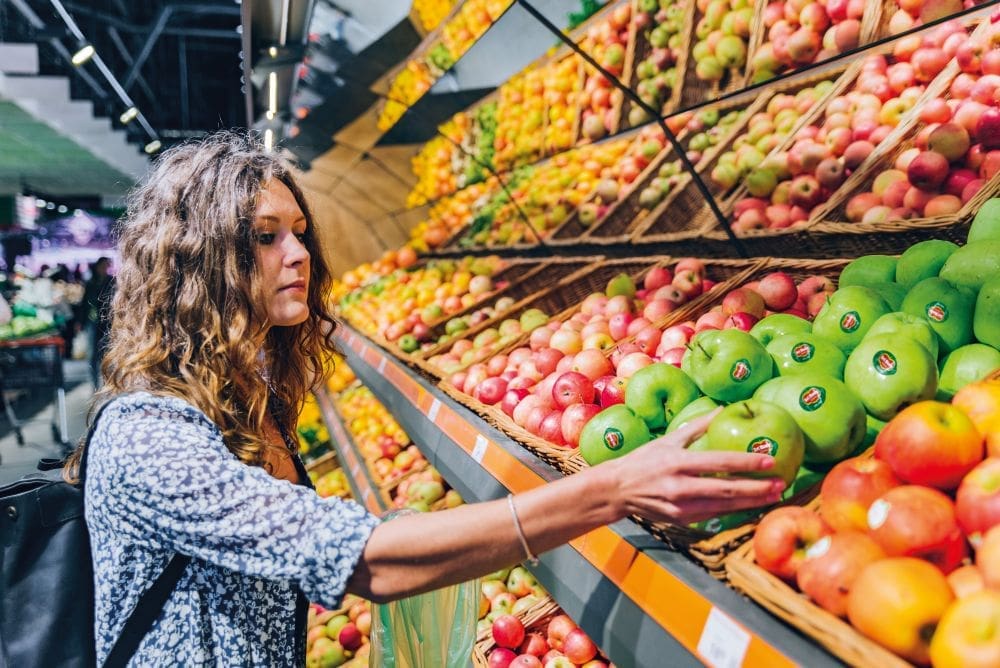
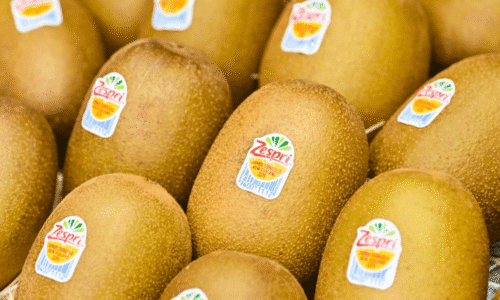
When shopping for fresh fruit and vegetables, the small labels attached to produce serve as packaging that delivers important shopper and retail product information.
Understanding how to read produce labels can help shoppers make choices aligned with healthy living, support for organic farming practices, and the use of environmentally conscious packaging.
Understanding PLU codes
The most visible feature on many fresh produce labels is a Price Look Up (PLU) code, typically a 4, or 5-digit number:
- 4-digit codes (e.g, 4011): Conventionally grown produce
- 5-digit codes starting with 9 (e.g. 94011): Organic produce
- 5-digit codes starting with 8: Intended for genetically modified produce (rarely used in practice)
Using the codes can help shoppers quickly identify how produce was grown so they can make choices based on their preferences.
Country of origin and traceability
Fruit labels can also indicate where produce was grown. This information can guide choices such as:
- Supporting local farmers
- Reducing food miles (and carbon footprint)
- Understanding seasonal freshness
Some labels now include QR codes or batch code information, allowing retailers to trace fresh produce back to the farm, an increasingly important feature for transparency and food safety. QR codes can also be used for consumer engagement as part of a wider promotional campaign for the produce, to provide more nutrition information, or to promote healthy eating.
Fresh produce label materials matter
While the information on produce labels is important, what the label is made from and how it helps reduce packaging waste, is just as critical. Ultimately, everyone wants more environmentally conscious packaging that reduces waste through minimized packaging, compostable packaging, or recyclable packaging.
Although it may not always be visible to consumers, initiatives such as Extended Producer Responsibility (EPR) are driving the fresh produce industry, and many others, toward clear milestones and measurable actions designed to reduce packaging waste.
This is where innovation in compostable fruit labeling can make a measurable difference. Sinclair T55, a certified home and industrial compostable PLU sticker, provides growers with a minimized packaging solution that can replace conventional single, use plastic fruit stickers.
Key features of Sinclair – T55 include:
- Independent certifications for home composting: These labels can be composted in home or industrial facilities
- Safe to become part of soil, enriching compost
- Adhesion to fruit and vegetables: Strong enough to stay on produce and provide shoppers with information yet designed to break down comparably with other compost matter
This means that when you compost peelings or scraps, the label can go in the food waste too, with no need to remove and discard it separately*.
What should shoppers look for to identify compostable fruit stickers?
Compostable fruit stickers can be hard to distinguish from conventional stickers. To identify compostable packaging, shoppers should keep an eye out for:
- Clear messaging on the label or packaging, e.g., “Dispose in home compost”
- Shelf edge messaging, or product page messaging when shopping online
- Independent compostability certification logos or claims (e.g., “OK compost HOME” or similar marks)
- Certification license codes, e.g., Sinclair’s OKI-S0728 and OKI-S0729. These can be checked on the TÜV Austria website
- Instore point-of-sale information
So, before placing fresh produce in the basket, shoppers can take a quick moment to check the label for a code or clear disposal instructions. This small habit makes it easier to choose options that can help reduce packaging waste.
In summary
So, the information on PLU fruit stickers is an opportunity to support shoppers desire to make informed, responsible choices. By understanding PLU codes, origin information, and fruit sticker disposal requirements, shopping habits can better align with shopper values.
A certified home compostable labels like Sinclair – T55 are meeting shoppers calls for minimising single-use plastic waste and environmentally conscious packaging. It also offers opportunity in the fresh produce aisle to reduce single-use plastic use and by labeling loose fruit support food waste reduction by allowing shoppers to only buy what they need.
*Check your local municipal waste guidelines before disposal, as they vary by region and locality.